PAROS – ANTIPAROS HOTELIER ASSOCIATION
HISTORY & CULTURE
The History and Culture of Paros & Antiparos
The Paros Hotels Association welcomes you to discover this unique blend of history, culture, and unparalleled beauty.
A Journey Through Time: The Rich Heritage of Paros & Antiparos
At the heart of the Cyclades, the islands of Paros and Antiparos boast a rich history and a culture that has flourished for thousands of years. These two islands, with their breathtaking landscapes and deep cultural roots, have played a pivotal role in the history of the Aegean. From antiquity to the modern era, they have stood as beacons of art, commerce, and cultural heritage, attracting visitors eager to explore their glorious past.
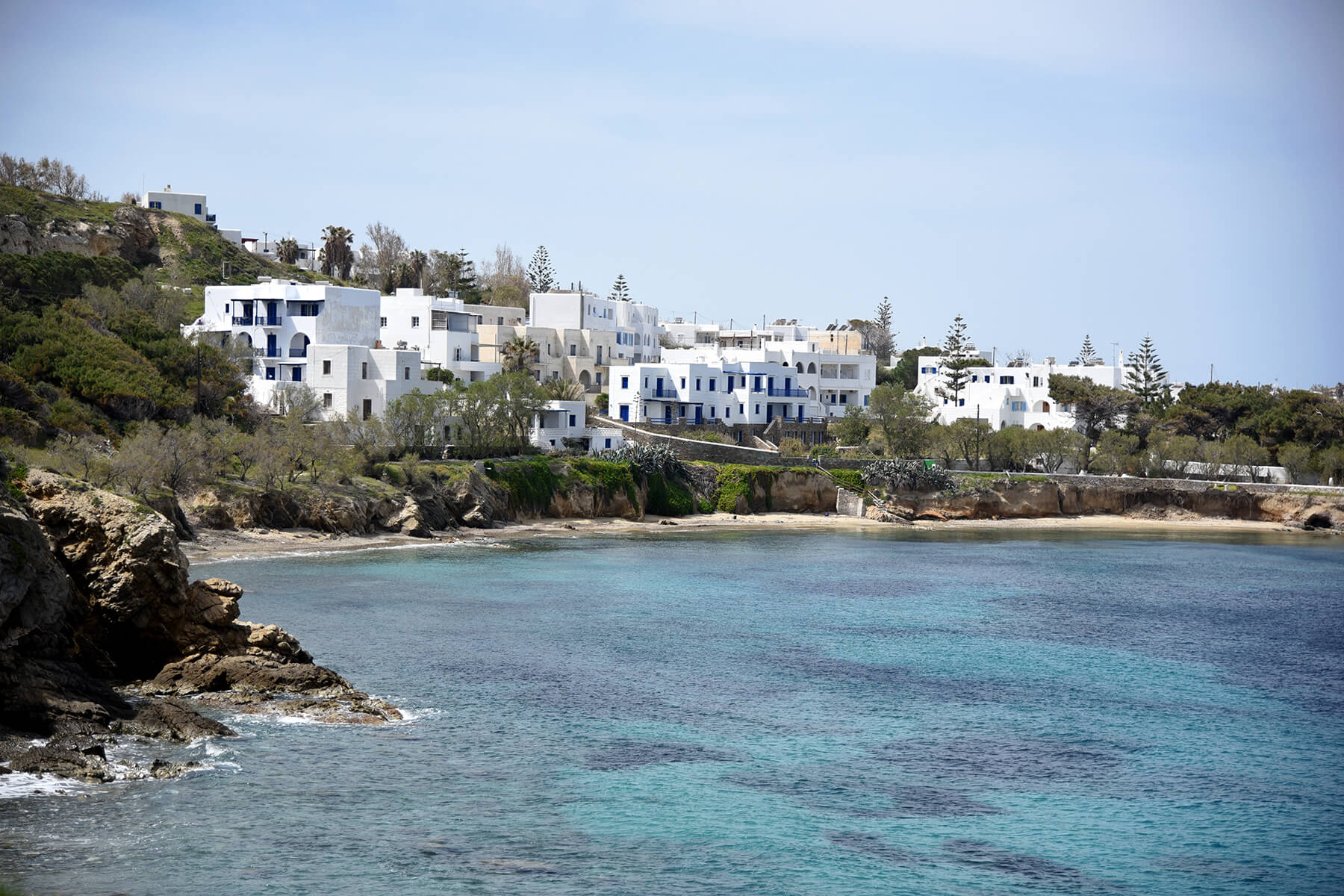
Paros, known in antiquity for its high-quality white marble, was one of the most important islands of ancient Greece. The famous Parian marble was used to create some of the most renowned sculptures of the ancient world, such as the Venus de Milo and the Winged Victory of Samothrace. Archaeological findings indicate that the island was inhabited as early as the Neolithic period (5th millennium BC), with settlements like Saliagos providing valuable insights into the earliest Cycladic civilizations.
During the Archaic and Classical periods (8th–4th centuries BC), Paros developed into a significant maritime and commercial power. The island established colonies, such as Parion in Asia Minor, and played an important role in the Persian Wars. The ancient city of Parikia, today’s capital, was a flourishing cultural and political center, adorned with temples, marketplaces, and fortifications.
Smaller but equally enchanting, Antiparos shares a deep historical connection with Paros. Its history dates back to prehistoric times, as evidenced by the findings in the Cave of Antiparos, one of the most impressive caves in Europe, renowned for its stalactites and stalagmites. This natural wonder also features inscriptions from historical figures, such as Archduke Ludwig Salvator of Austria.
During the Venetian period (13th–16th centuries), Antiparos gained strategic importance. The Venetians built the Castle of Antiparos, a unique fortification designed to protect the inhabitants from pirate raids. Today, the ruins of this historic monument serve as a living reminder of the island’s resilience and strategic significance.
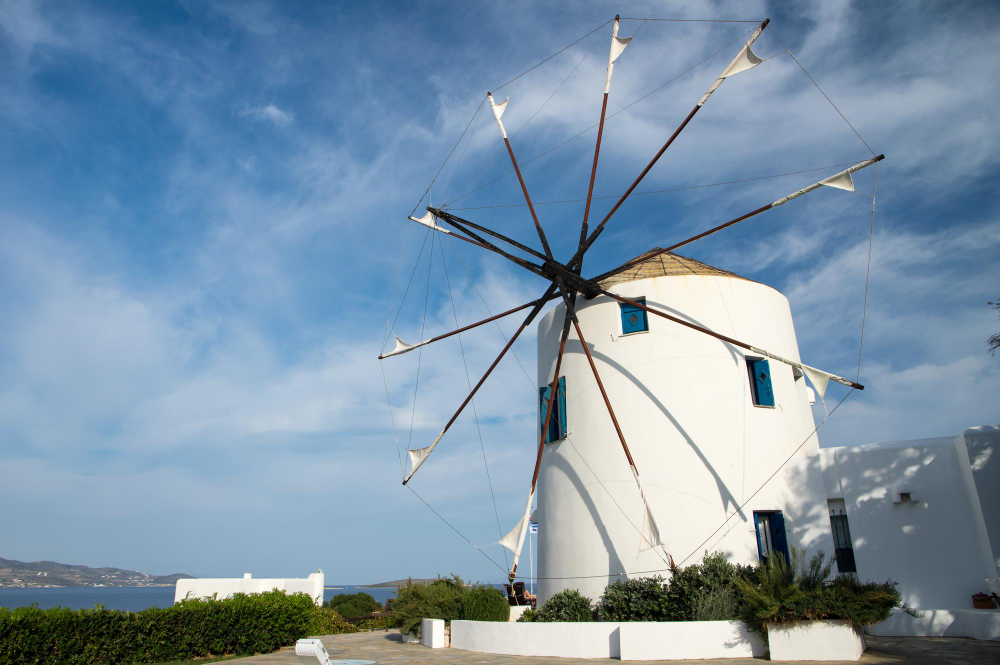
After the decline of ancient Greek power, Paros and Antiparos entered the Byzantine era, during which numerous churches and monasteries were built. The most famous of these is the Panagia Ekatontapyliani in Parikia, a magnificent early Christian church that, according to tradition, was founded by Saint Helena in the 4th century AD. The church remains one of Greece’s most important religious monuments, attracting both pilgrims and history enthusiasts.
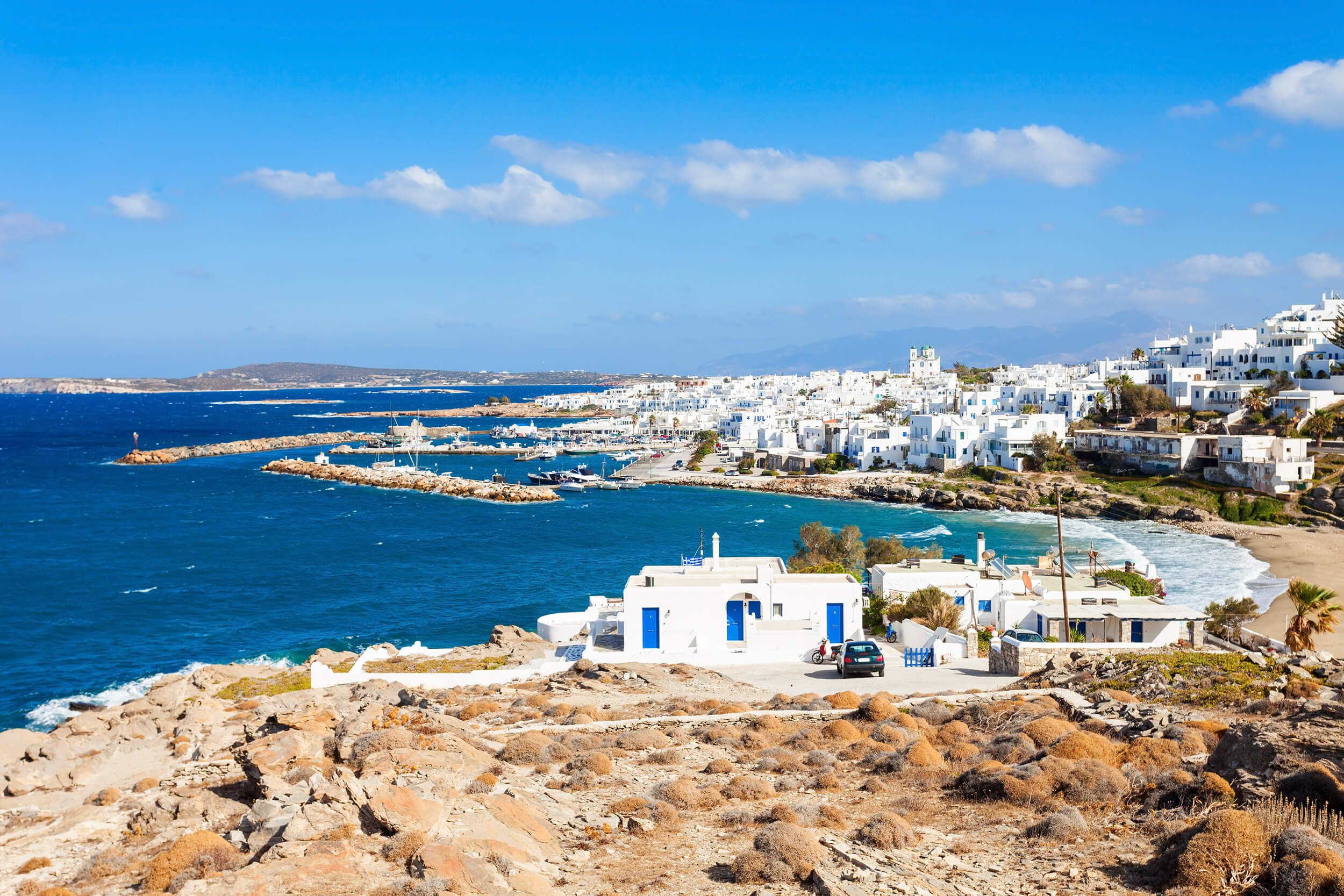
The Venetian period brought further changes to the islands, as noble families settled in Paros and Antiparos, leaving behind castles, mansions, and fortified settlements. The Parikia Castle and the fortress of Naoussa stand as enduring symbols of this era, offering visitors a glimpse into the medieval past of the Cyclades.
In the 16th century, Paros and Antiparos came under Ottoman rule, a period that lasted until the early 19th century. Despite foreign occupation, the islands remained active in trade and culture, with local communities preserving their customs and traditions. During the Greek War of Independence in 1821, Paros played a significant role, providing ships and fighters for the struggle for independence.
Ottoman Rule and the Greek War of Independence
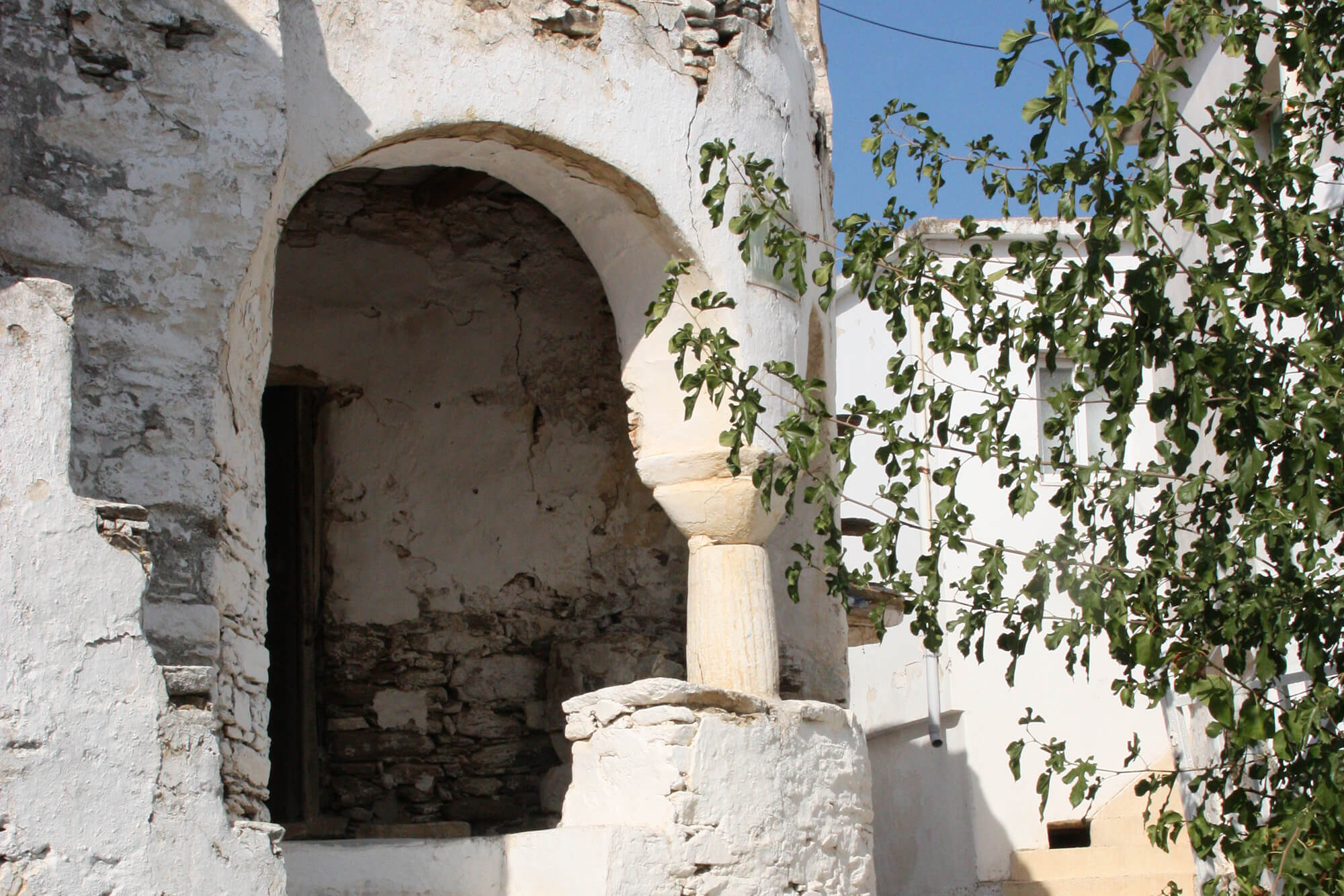
Modern Paros & Antiparos: A Blend of Tradition and Progress
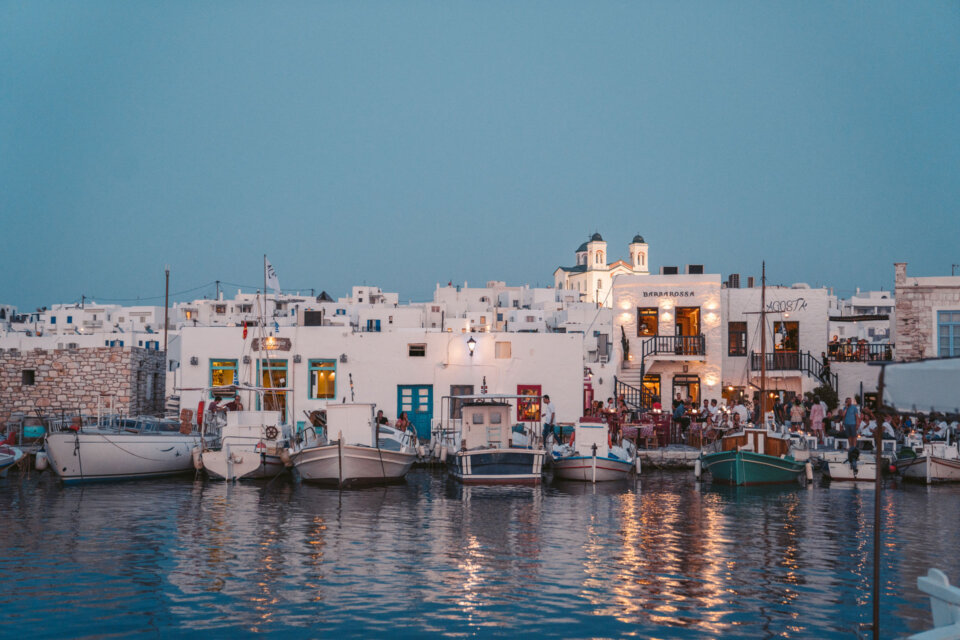
Today, Paros and Antiparos preserve their cultural heritage while embracing the modern era. Visitors can explore numerous archaeological sites, museums, and historical monuments that tell the rich story of the islands. The Archaeological Museum of Paros hosts significant exhibits, while the Folk Art Museum preserves the traditions and daily life of the local communities.
Beyond history, the islands are vibrant centers of art and culture. Festivals, local celebrations, and artistic events keep the spirit of the Cyclades alive, blending the past with contemporary creativity. The Paros Festival, the Feast of Panagia Ekatontapyliani, and traditional village celebrations bring locals and visitors together.
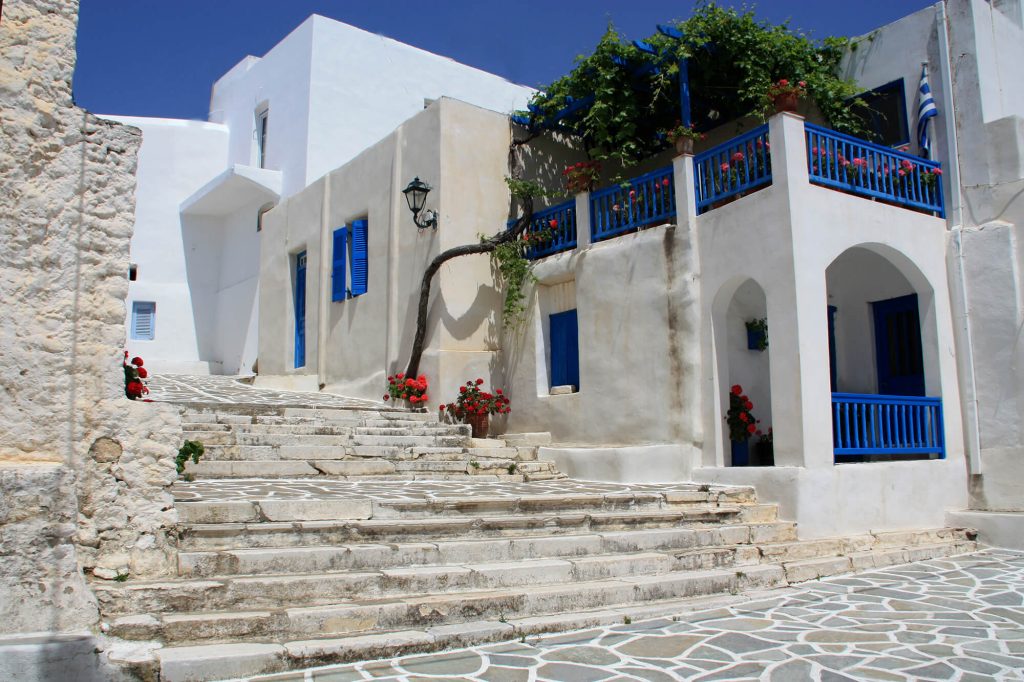
Paros and Antiparos are not just beautiful islands; they are living museums of history and culture.
Every cobblestone alley, ancient ruin, and sun-drenched chapel tells a story of resilience, creativity, and cultural evolution.

Cookie Consent
We use cookies to improve your experience on our website. By using our website, you consent to the use of cookies.
This website uses cookies
Websites store cookies to improve functionality and personalize your experience. You can manage your preferences, but blocking certain cookies may affect the performance and services of the website.
Essential cookies enable basic functions and are necessary for the proper function of the website.
These cookies are needed for adding comments on this website.
Google reCAPTCHA helps protect websites from spam and abuse by verifying user interactions through challenges.
Statistics cookies collect information anonymously. This information helps us understand how visitors use our website.
Google Analytics is a powerful tool that tracks and analyzes website traffic for informed marketing decisions.
Service URL: policies.google.com (opens in a new window)
You can find more information at Cookie Policy & Privacy Policy.